
[Beware some spoilers for The Acolyte]
I consider myself to be a fan of Star Wars in general. However, like many fans who grew up loving the Original Trilogy and gaining an eventual appreciation for the Prequel Trilogy, I am not a big fan of Disney’s turn at the Star Wars helm. The Sequel Trilogy began well enough with The Force Awakens, but massively divided fans with The Last Jedi and overwhelmingly disappointed with The Rise of Skywalker. Similarly, the series on Disney’s streaming service have been met with a wide range in reception. The first of these shows, The Mandalorian, was an encouraging first step for the Star Wars TV shows, and the surprising hit Andor is widely regarded as some of the best Star Wars media ever made. Each of these successes, however, stands alongside not-so-beloved shows. While Ashoka was received with moderate praise, for many, Obi-Wan Kenobi did not deliver on its premise to tell a satisfying story continuing Darth Vader and Obi-Wan’s conflict. The Book of Boba Fett disappointed a large part of the fan base, not only due to the fact that several of its limited episodes chose to focus on a character from another, more popular show instead its titular bounty hunter. So far, the Disney era of Star Wars has been a mixed bag for longtime fans, including myself.

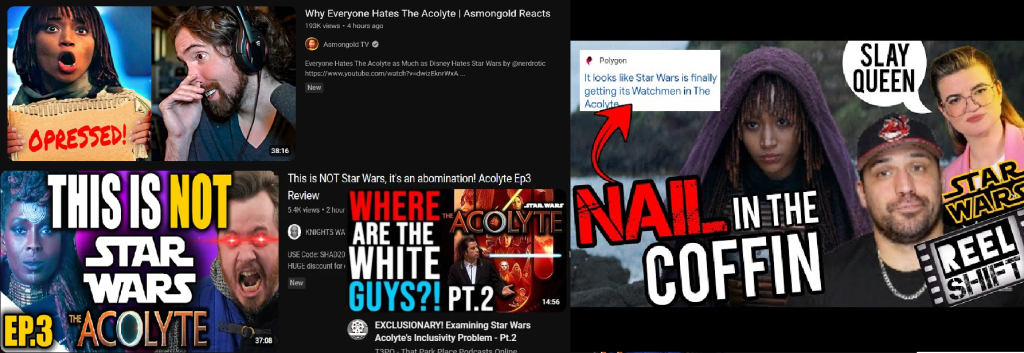
The latest show to be released, The Acolyte, has garnered different reactions across the fanbase. Most consider the show to be a moderate success, while the more vocal naysayers latch onto minute details as indicators of the show’s alleged terrible quality. Personally, I found the show to mostly enjoyable. I was not bothered by some of the minutiae that seemingly drove some fans into a rabid fervor. The seemingly impossible idea that a fortress made mostly of stone could be consumed by fire was a major talking point for a while. The throwaway cameo by Jedi Master Ki-Adi-Mundi (present in the Prequels) was decried as a glaring continuity issue due to an offhand comment in The Phantom Menace (an “issue” that resolved itself as the show concluded). I was especially amazed (thought perhaps I shouldn’t have been) that so many videos and articles were published decrying the show as terrible and insulting to its franchise after only the second and third episodes of its admittedly short eight-part run. The show was just reaching the midway point; why were people complaining that “glaring plot holes” were rampant when the story was only halfway finished?
I have since decided to chalk this outrage up to attempts to produce content online. Content that is immediate and loud is more enticing for readers to engage with, at the expense of more thoughtful but less-immediate content. Why wait to see if a plot point introduced into a show that marketed itself as a noir-inspired story is resolved by the end? It’s more profitable to say the showrunners have no idea what Star Wars is instead. And while every fan is entitled to like or not like any aspect of the media they consume, I believe most of the outrage in these articles is not genuine, but merely an excuse to meet a content quota with a topical subject. The aren’t really enraged that the first live-action Wookie Jedi was introduced and then killed without having what would surely have been an epic action sequence. Many videos and online comments, however, vehemently argued to the contrary. Considering that the same Wookie Jedi did have an action sequence of his own only two episodes later, the lack of content revising or retracting those statements is proof enough to convince me. Nevertheless, the criticism was piled on, resulting in a fine show being regarded as abominable to any “true” Star Wars fan.
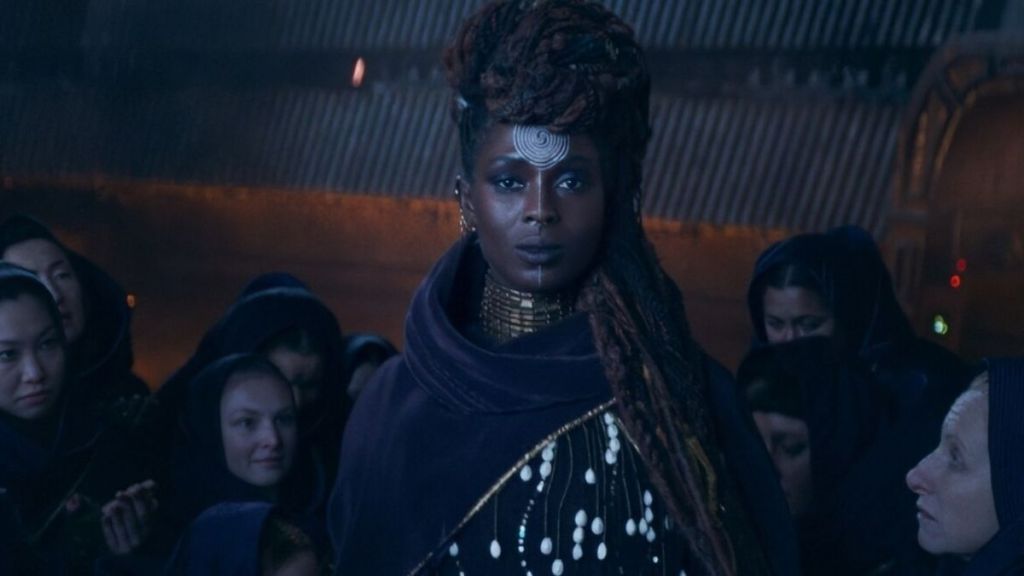
One criticism which is emblematic of this faux outrage and overreaction concerns the ceremony of the Force witches in the series’ third episode “Destiny.” It is not the most egregious criticism levied against the show, perhaps, but one I think helps explain what I mean.
The series’ protagonists, twins Mae and Osha, are part of a coven of Force-sensitive witches. Their mother, the coven leader, has been preparing them for a special ceremony. The night of the ceremony, the twins are brought before the entire coven to be imbued with a mysterious, mystical power. Part of the ceremony involves a chant recited by all the witches: “The power of one. The power of two. The power of many.”
Within the context of the scene, the words make perfect sense. The coven is held together by the power of one (the witch mother or the united coven itself), the power of two (the twins), and the power of many (the varied members of the coven). It speaks to the way in which their group is held together at many levels, from individual to community. It echoes the way in which the Force itself binds the many beings of the galaxy together. To quote Yoda’s words to Luke in The Empire Strikes Back, “Its energy surrounds us and binds us.” I’ll grant that perhaps the singsong delivery of the words is not appealing to all ears against the dark and mysterious backdrop of the witch’s ceremony. The meaning of the words in the ceremony’s context, however, is obvious and well thought-out.
According to those loud naysayers, however, this chant was so jarringly stupid it completely undercut the gravity the scene was attempting to convey. Again, everyone is entitled to their own opinion and their own tastes, good or bad. I’m sure that the delivery really did take some fans out of the moment. But the overexaggerated level of hate really smacks of disingenuousness.
Take this article from Forbes, “‘The Acolyte’ Episode 3 Review: One Of The Most Disappointing ‘Star Wars’ Episodes Ever Made,” where the author Erik Kain tears apart the entire episode. Specifically, he bemoans that “The witch chant was one of the lamest chants in the history of all chants. I wanted to giggle maniacally listening to it. I also wanted to cry.” He goes further by linking a Tweet exchange in which one poster talks about how much they enjoyed the episode, then a second user responds with a clip of the chant scene with the sarcastic caption “Looks amazing” as a ”gotcha” moment. Kain adds his own opinion “This was put in an actual TV show we’re supposed to take seriously.” His follow-up summation “I have no words” seems a bit undercut by the amount of words to which he has just subjected his readers. This article was published the day after the episode aired, along with a link to an accompanying video that essentially hits all the same points.
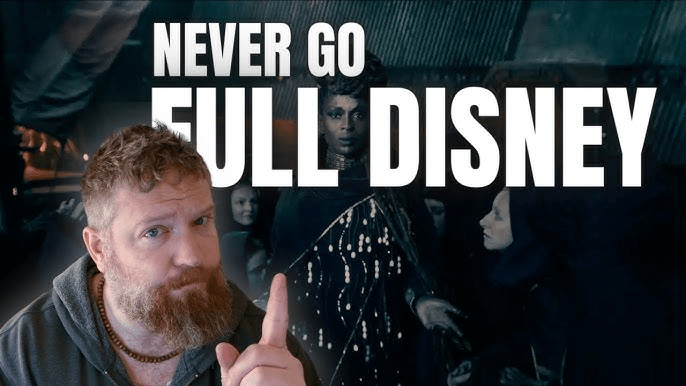
Perhaps this episode really did offend Kain and other fans of Star Wars as deeply as they say. I’m rather skeptical, however, of the over-the-top criticism which always seems to come from videos with titles like “The Acolyte Episode 3: Commie, Space Witch, Lesbians Make Children with The Force!!” or “The ACOLYTE so bad the SHILLS Cannot Defend it!!” from channels with names like “KnightsWatch,” “WorldClassBullshitters,” and “HeelvsBabyface.” Take this with the fact that these videos almost always revolve around the same types of arguments against including themes of inclusivity, “wokeness,” DEI, or whatever other rightwing buzzword is trending on Truth Social at the time. Taken in this context, I am less than convinced that those who complained the loudest are genuine. (Also, don’t click those links; I feel bad enough I had to give these channels views for this article.)
In the specific case of the witches’ chant, I’ll admit that in a vacuum it sounds a little goofy (though not “the lamest chant in the history of chants”). When I first heard this specific criticism, the thought that immediately sprang to mind was “Have none of these people heard a religious chant in their lives?” In the major religions of the world, there are plenty of chants and incantations and invocations that share many similarities with the Acolyte’s chant. Real-world chants invoke specific ideas (“Praise be to God”) or ask specific things (“Lord, have mercy on us”) or simply describe what the worshipers are currently doing (“Hear, O Israel, the Lord is our God, the Lord is One”). Lots of chants set to music essentially amount to singing “God sure it great, huh?” over and over. And while the witches’ chant may be more direct than some of the most poetic chants, I wouldn’t be shocked to hear it floating out of any given house of worship today.
But I honestly think that much of the problem comes from the fact that this mystical, alien chant is delivered in English instead of an alien language. Let’s be real: songs and phrases that are meant to be mysterious or foreboding or inspiring always sound better if they’re in a foreign language, real or made-up. Yes, the poem on the One Ring is fantastically ominous in English; still, even it isn’t as spooky as Gandalf’s recitation in its native Black Speech of Mordor. The theme to Ridley Scott’s Gladiator, “Now We Are Free,” has very meaningful lyrics in English. The non-English lyrics that everyone likes so much, however, are sung in a language completely made up by the singer Lisa Gerrard. Stories like Avatar and Lord of the Rings create entirely new languages to give life to their fictional worlds. Every song or dialogue exchange in these languages inherently gives a sense of authenticity and other-ness simply because we can’t understand them without subtitles.
This is no less true within the context of religion. Chants and prayers of nearly all older faiths continue to be recited in the older languages of those faiths in order to maintain an air of authenticity. I certainly understand the importance for congregants to be able to access the divine by themselves and not always rely on an ordained intercessor; there was famously an entire Reformation dealing with that. But I would wager any Catholic who lived through Vatican II at some level felt at least a little less mystery reciting “Lamb of God, who takes away the sins of the world, have mercy on us” instead of “Agnus Dei, qui tollis peccata mundi, miserere nobis.” After all, why listen to prayers in the boring old vernacular when Latin Gregorian plainchant exists?
The lyrics of theme for the 2005 video game Civilization IV, “Baba Yetu,” are simply the text of the “Lord’s Prayer.” However, they are sung in Swahili, giving the familiar prayer a unique quality. In fact, I doubt anyone would know this is the case unless they look up the lyrics online, as the song itself gives no indication it is quoting the Prayer. It then becomes simply a well-orchestrated song in a foreign language. I feel this at least contributed to “Baba Yetu” becoming the first piece of video game music to win a Grammy.
The preference for non-vernacular language for conveying grandeur or mystery is so deeply-ingrained that reversing the process often leads to otherwise inspiring songs or phrases becoming ridiculous in comparison. Take the lyrics to “Circle of Life” from The Lion King. As the sun rises over the Serengeti and our story begins, the singer cries out in a foreign tongue. Animals leap and snap to attention across what is in this context essentially an alien world. A choir takes up the strange chant to underscore the majesty of the situation. By the time Tim Rice’s English lyrics begin, the audience is already in the right mindset to start the story.
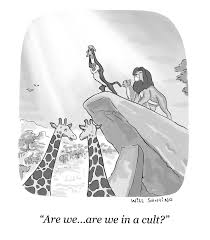
There’s no denying that those opening lyrics, which are in Zulu, accomplish their task in setting the mood for the movie. But do you know what happens when you plug “Nants ingonyama” into an English translator? You’ll find we’re being told essentially “Hey, look, it’s a lion.” In English, it’s dumb and maybe even a little lazy. But it doesn’t matter because the audience can’t understand the lyrics warning the audience that lions were going to be in this movie called The Lion King. Instead, they’re simply caught up in how cool everything sounds. Can you imagine the amount of Acolyte-level ribbing The Lion King would receive to this day?
We need look no further than the Star Wars universe itself for proof of this preference. At the end of Return of the Jedi, after Luke has defeated the Emperor, the Death Star is destroyed, and the galaxy is on the road to freedom, the Rebels celebrate their victory with their Ewok allies on the forest moon of Endor. During the festivities, the Ewok sing the upbeat, celebratory song “Yub Nub” to underscore the occasion. Being space teddy bears who don’t speak English, the Ewoks sing in their own language. The jubilant melody is perfect for the celebration. The alien lyrics represent how the underdog Rebellion was able to win only through the collaboration of many different species against the xenophobic and human-centric Empire. As in The Acolyte, it’s a perfect marriage of theme and execution. You don’t know exactly what they’re singing, sure, but you get the gist.
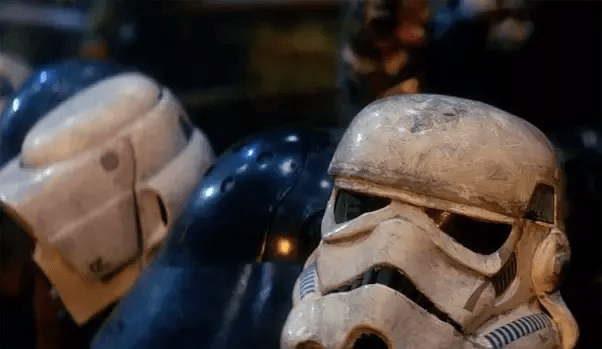
Once again, however, all you need to do is look up the English lyrics of “Yub Nub” to find an incredibly stupid-sounding “translation.”
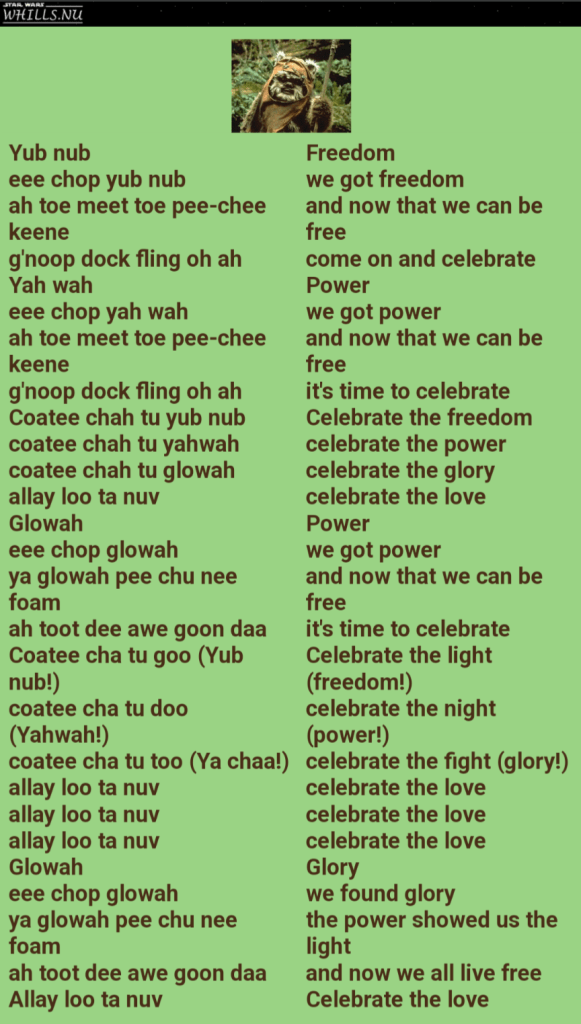
The lyrics obviously still convey what is happening; the magic of the song, however, is gone. If you are having a hard time imagining how different the English version must sound from the original Ewok, don’t worry because someone already did it for you.
So returning to The Acolyte, there’s no doubt that the witches’ chant being in English instead of Space Witchese or whatever presents it as inherently not as mysterious or cool as it could be. Even though it’s perfectly appropriate for this scene, the audience is probably never going to accept it that way simply because it doesn’t meet their expectations. It can be jarring when not utilized properly.
Normal dialogue between characters can be in English for ease of access. But rituals, chants, spells, exposition by ominous character, even names of ancient and important people and places? We expect those to be some other language, real or fictional.
Ultimately, the criticism of this one chant isn’t the most egregious sin The Acolyte committed for the vocal naysayers. And even I’ll admit that the Disney era of Star Wars continues to impress me only occasionally. Still, I think the chant is a great example of the wider type of criticism levied at this show specifically and at newer Star Wars shows in general. It’s not that these elements don’t belong or are inappropriate for the shows themselves. Instead, it’s that the creators of these shows have chosen to do something that goes against these fan’s expectations. Rather than simply acknowledge this is the reason they don’t like these elements of these shows, the complainers instead try to make it a betrayal of the entirety of Star Wars and George Lucas’ vision. Erik Kain, the author of that Forbes article, says:
“I do have a theory, however. Imposters have taken over Star Wars (and lots of other popular genre properties, from The Witcher to True Detective). Maybe they’re fans, maybe they’re not but they’re certainly masquerading as good storytellers. And they think they know best, making whatever changes they see fit to “make it their own”.
As if it’s not fine to not like something just because you don’t like it.
My point is that, at the end of the day, nothing about The Acolyte is nearly as bad as these loud critics make it out to be. It isn’t perfect: on my personal ranking, I would put it just above the middle mark. Still, I just can’t understand the mindset that goes into making a career out of content that only ever tears down other people’s work. Criticism is absolutely valid. But critiquing includes highlighting the positive parts of what you’re consuming. The majority of this blog consists of articles where I poke fun at older media, but I don’t think there’s a single article where I had nothing good at all to say about even my least favorite movie or book. There is a difference between engaging with media because you enjoy it versus because you aren’t capable of any type of engagement other than tearing down.
Maybe it’s just a difference in what these channels and I think is worthwhile. I just feel like it’s more satisfying to save such vehement critique for material that really deserves it.
—–
In the time it’s taken me to put my thoughts down, I’ve watched the current seasons of House of the Dragon with my wife and The Boys by myself. I came away from both thoroughly satisfied, both with the episodes themselves as well as how these seasons fit in the broader narrative of their respective shows. You can imagine my shock, then, to come across video after video and article after article bemoaning how disappointed wide swaths of the internet have been by these last seasons. I’m taken back to the dialogue after The Rings of Power, where once again my wife and I really liked what we watched and were apparently some of the only people in the world who did, according to the internet.
I’m currently about 100,00 words into the first draft of my own historical fiction novel, which is the main reason this blog has been neglected for so long. One of the biggest hurdles I’ve had to overcome has nothing to do with the quality of my dialogue or matching the historical authenticity of the novel’s setting with the action of my characters. My biggest hurdle has been to allow myself to simply write the story I want to write without worrying about whether it’s good enough for anybody else. I consume a lot of media critiquing or making fun of TV shows and movies, and while it can be entertaining as a viewer to watch good-natured breakdowns of stories, as a creator I have become more and more aware of how it can get in the way of the creative process. I’m so caught up in worrying about whether some eagle-eyed Civil War buff will scoff at how my characters travel through a battlefield months before it actually took place or use the wrong type of rifle that I can’t focus on the story I’m trying to tell. I want the story to be good, but at the end of the day the most important audience I’m writing for is me. I can’t imagine the kind of pressure the writers and creators must face when handling such a large intellectual property like Star Wars or Game of Thrones.
I’ve always been a little more lenient in terms of what I’ll tolerate from a story, though even I have my limits (I have voluntarily seen the Star Wars Holiday Special all the way through three times, God knows why.) And I definitely understand that sometimes writers and directors make what are just bad decisions: one need look no further than the final season of Game of Thrones for proof of that. Not everything is quality. But just because not everything can be Terminator 2 or the original Ben Hur doesn’t make it Troll 2 or Manos: Hands of Fate. I can only hope that I continue to be more understanding of the people who create and work on the media I consume in the future. And who knows? Maybe someone will like my book enough to defend it online when it’s finished.

Here’s hoping.
 Culturally Opinionated